Discover the enchanting Schoenbrunn Orangery: a hidden gem of Vienna’s imperial elegance
A fascinating city like no other, Vienna is renowned for its elegant refinement. Its history is divided between empire and artistic heritage, concealing countless wonders. The Habsburgs, with their imperial presence, still linger among the streets of the city, surrounded by prestigious palaces, famous museums, and unique cafés. Vienna is ideal for those who adore culture, offering a transition from classical opera to modernism; every corner has its own story to tell. The architectural beauties are certainly no less remarkable: Schönbrunn Palace, the Hofburg Palace, the Sissi Museum, and St. Stephen’s Cathedral. If you are ready to embrace a delicate setting with interesting local culinary flavors and create unforgettable new experiences, then you must visit Vienna immediately! Here are some other attractions to see.
At the heart of the picturesque Schönbrunn Palace, which is one of the most iconic imperial residences in Europe, you will find one of the most fascinating yet lesser-known structures: the Orangery of Vienna. This elegant historic building, located on the eastern side of the vast Baroque gardens, testifies to the love of nature and the taste for magnificence of the Habsburg court. The Orangery is now a must-see attraction, both for its history and for the cultural events that take place there regularly.
Its construction dates back to the period between 1754 and 1755 at the behest of Empress Maria Theresa. Initially conceived as a monumental greenhouse intended to protect exotic plants, particularly citrus fruits, during the harsh Viennese winters, the building is one of the longest of its kind in Europe, extending over 180 meters. Its glass and stone structure, along with the state-of-the-art underground heating for the time, allows the Orangery to maintain a favorable climate even during the coldest months.
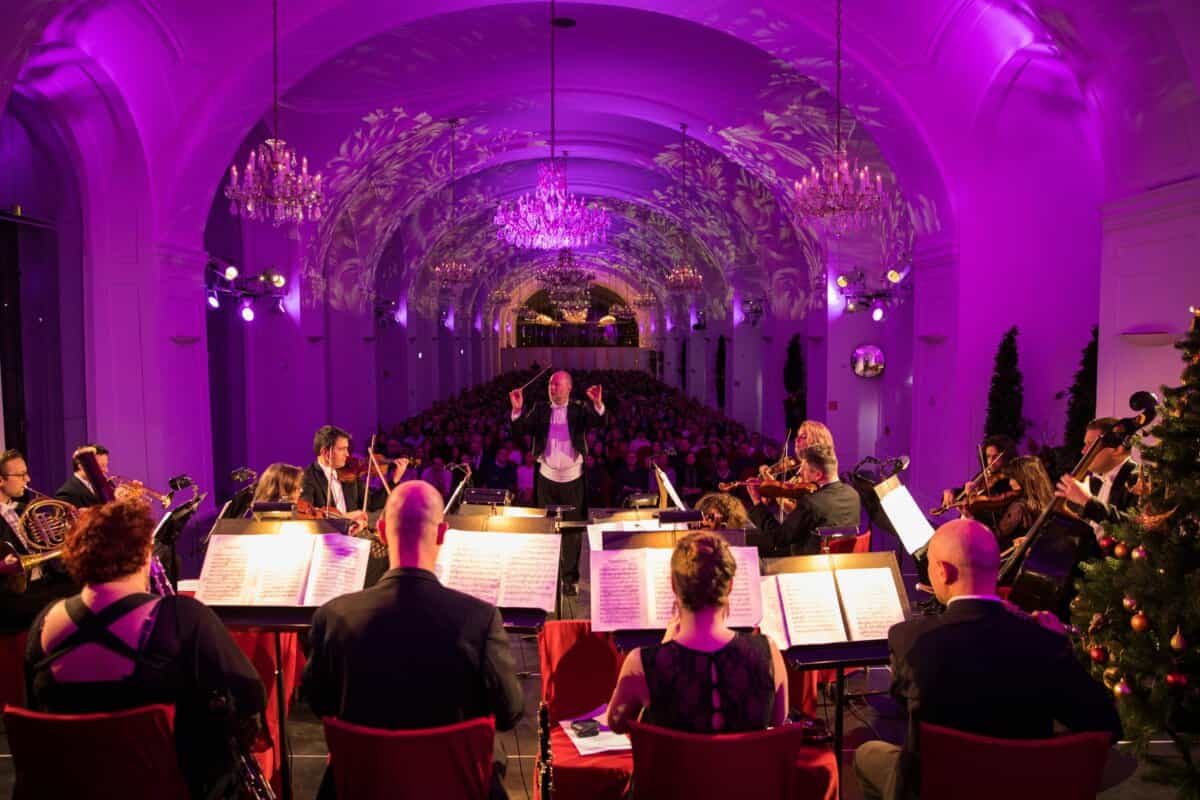
However, it is not just an ideal place for plants; it also serves as a venue for exclusive events, court balls, and private performances. In 1786, the Orangery hosted a historic musical competition between two giants of music: Mozart and Salieri. As a result, the venue has acquired a legendary atmosphere that continues to attract musicians and history enthusiasts from around the world.
Today, the Orangery has been perfectly restored and hosts evening concerts, often dedicated to Viennese classical music with performances of works by Mozart and Strauss in an intimate and refined setting. Sitting among the historic columns of the building, immersing oneself in the music that once entertained the imperial family, is a unique experience that weaves together history, emotion, and art.
Throughout the year, the Orangery hosts cultural events, receptions, and exhibitions. This versatile space makes it the perfect location for such occasions while respecting the historical elegance of the site. Visiting the structure, even just from the outside during a walk in the gardens, allows one to appreciate the grandeur of the Baroque design and the care with which the natural and architectural environment were harmonized. For those wishing to thoroughly explore Schönbrunn Palace, the Orangery is an ideal complement to the tour of the palace, the zoo, and the Gloriette. It is always advisable to book concert tickets in advance, as they are highly appreciated by tourists and locals alike. In short, it is a dream visit that should not be missed, where the mind soars and the body is enchanted, feeling suspended in the beauty of a time that once was.
Palmenhaus Vienna: Art Nouveau elegance, tropical nature and imperial history in the heart of the Austrian capital.
A place of eternal charm, where history and culture come together in perfect harmony. Walking through its pathways feels like diving into an elegant scene, among sumptuous palaces, historic cafés, and squares that narrate years of beauty and art. However, Vienna is primarily the City of Music. From the luxury of the Habsburg court to contemporary music, Austria’s capital has seen the birth and hosted the most famous figures in history, including Mozart, Beethoven, Schubert, Strauss, and Haydn. These musical giants worked in Vienna, leaving an indelible mark that has endured to this day in concert halls, streets, and avenues. Here are some attractions to visit.
At the heart of the Burggarten gardens lies the Palm House (Palmenhaus) of Vienna, one of the most elegant examples of glass and iron architecture from the imperial era. The first thing that strikes you is its elegance: a long, sinuous structure in Art Nouveau style, appearing as if it has come straight out of an illustrated book from the late 19th century. It is not merely a botanical greenhouse, but a true oasis of exoticism in the historic center of Vienna, where art, history, and nature embrace in harmony.
The Palm House was commissioned by Emperor Franz Joseph and completed in 1901, designed as a monumental greenhouse to house tropical plants from around the world. It is one of the largest Jugendstil-style greenhouses in Europe, measuring approximately 130 meters long and 28 meters high.
The visual impact is remarkable; the large curved glass panels allow generous amounts of light to enter, creating reflections that dance among the palm leaves and the metallic surfaces that define the entire structure.
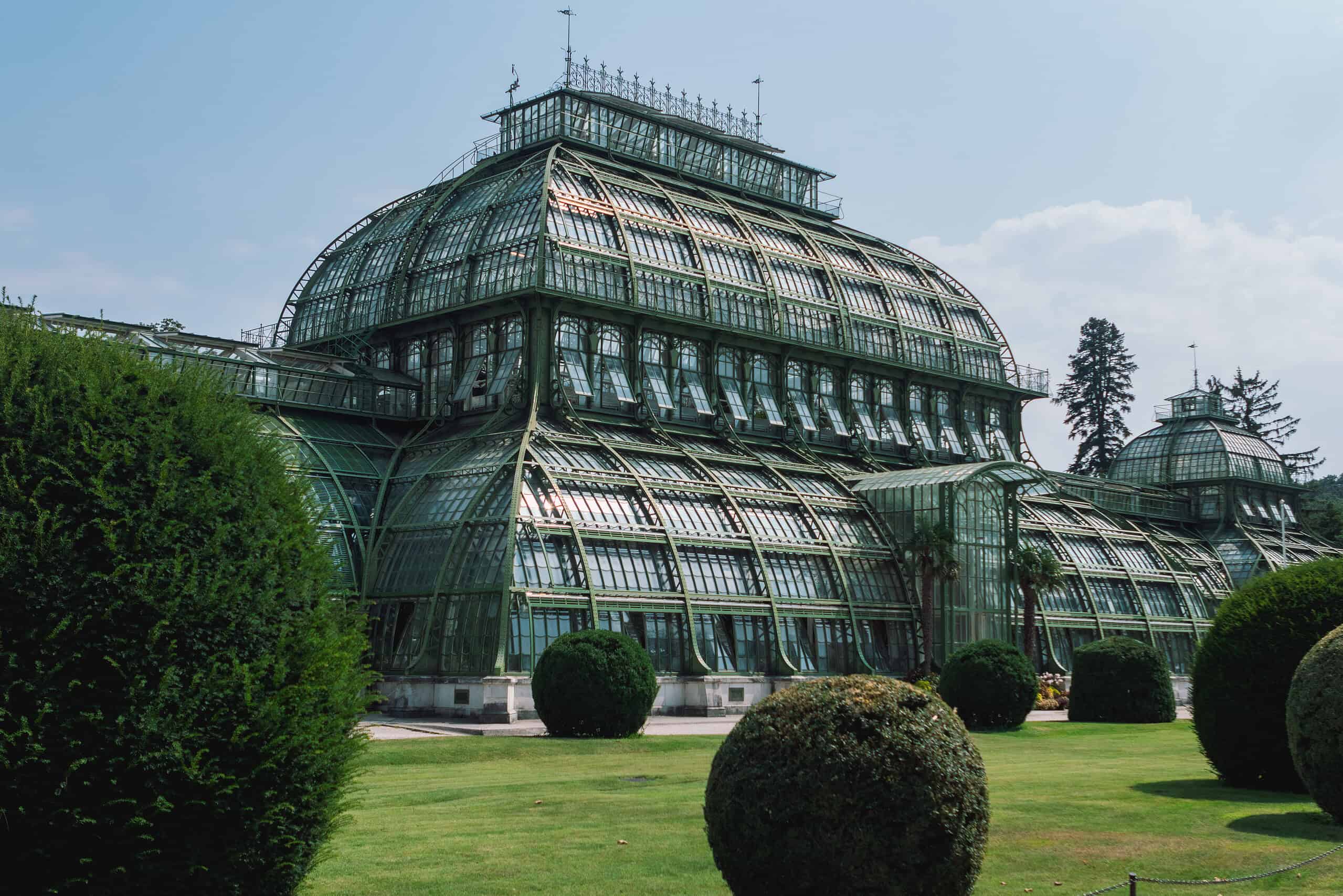
Inside, the mild temperature and constant humidity promote the lush growth of numerous plants: from tall Caribbean palms to Asian ficus, as well as orchids, banana plants, prehistoric ferns, and brightly colored climbers. Walking among these plants is a unique sensory experience, filled with spicy aromas, muted sounds, and views that change with every step. The Palm House is not just a botanical refuge; part of it has been transformed into one of the most charming cafés in Vienna: Café Palmenhaus.
Amid wrought-iron tables and Art Nouveau-style chairs, visitors can enjoy a Viennese coffee or a glass of Grüner Veltliner surrounded by greenery, immersed in a rarefied and calm atmosphere, far from the urban chaos. It is a favored spot for both tourists and locals seeking an elegant pause.
In the eastern part of the structure, you will also find the Butterfly House, where hundreds of butterflies flutter freely in a perfectly recreated microclimate. This beloved stop adds a magical touch to the visit, especially for families.
Thus, the Palm House represents much more than just a botanical attraction: it is a visual, cultural, and sensory experience that tells a piece of Vienna’s imperial soul. A soul so special that it manages to enchant anyone who crosses the threshold of its gleaming glass treasure. This greenhouse becomes an adventure with an exotic atmosphere, where nature and history merge in harmony. It is not just a tourist stop but a journey through time, filled with wonder and authenticity.
Explore the enchanting Labyrinth and Prince’s Garden: a unique experience in Vienna’s Schoenbrunn Gardens
A fascinating city like no other, Vienna is renowned for its elegant refinement. Its history is divided between empire and artistic heritage, concealing countless wonders. The Habsburgs, with their imperial presence, still linger among the streets of the city, surrounded by prestigious palaces, famous museums, and unique cafés. Vienna is ideal for those who adore culture, offering a transition from classical opera to modernism; every corner has its own story to tell. The architectural beauties are certainly no less remarkable: Schönbrunn Palace, the Hofburg Palace, the Sissi Museum, and St. Stephen’s Cathedral. If you are ready to embrace a delicate setting with interesting local culinary flavors and create unforgettable new experiences, then you must visit Vienna immediately! Here are other attractions to see.
In the magnificent setting of the Baroque gardens of Schönbrunn in Vienna, you will find the Maze and the Garden of the Crown Prince, which represent one of the most fascinating and engaging attractions of the imperial complex. This space, rich in history and symbolism, offers a unique experience that combines aesthetics, leisure, and historical memory.
The maze, one of the most characteristic attractions, is a modern reconstruction inspired by the original maze created in 1698 for the entertainment of the imperial family. It was faithfully reconstructed in 1999, and today’s pathway stretches over an area of 1,700 square meters, formed by tall yew hedges that create an intricate labyrinth. The goal is simple yet captivating: to reach the center, where an elevated viewing platform is located. From here, you can admire the geometric design of the maze in its entirety, providing a satisfying moment after your endeavor.
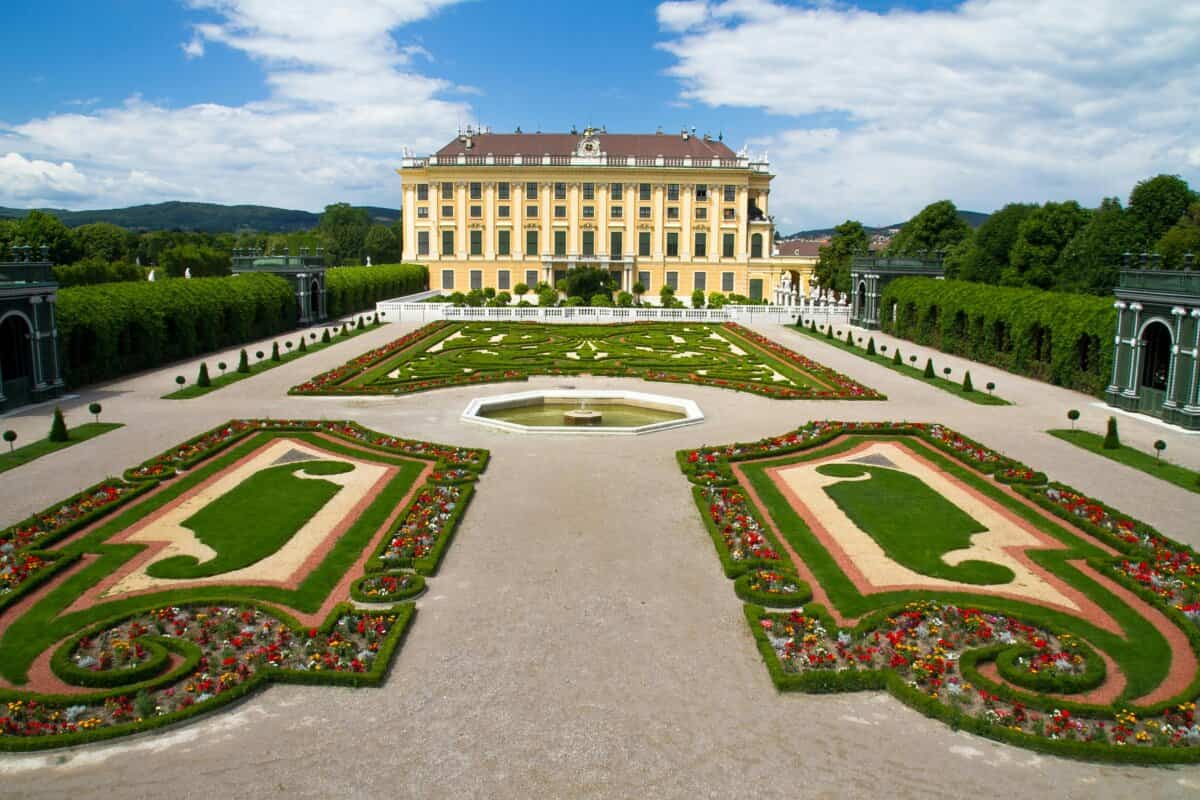
Next to the main maze are two other interactive green areas: the Game Maze and the Garden of Irregularity. The first is an area designed for the enjoyment of both adults and children, featuring water games, funhouse mirrors, and sensory installations that stimulate balance and perception. The second is a more tranquil yet still very evocative pathway. Here, low hedges and winding paths guide visitors among artistic installations and contemplative corners.
The historical function is what makes this garden special. The Garden of the Crown Prince is named after the heir to the Habsburg throne, to whom it has always been dedicated. It is a space for recreation but also for learning. In the Baroque period, labyrinthine gardens were believed to be educational spaces where the mind exercised itself and learned self-control through play. Thus, the maze becomes a metaphor for life itself: difficult, full of challenges, but also approachable with wisdom and patience.
The design of the garden is a perfect example of Baroque landscape art: the rigor of symmetry, the careful calculation of perspectives, and a refined balance between nature and architecture. A stroll through the garden becomes a complete immersion in a landscape designed to enchant and surprise, with shaded corners, classical sculptures, and perspective games.
Visiting the Maze and the Garden of the Crown Prince is not just a recreational activity; it is also a way to connect with the history and culture of Vienna, in a context that still retains the charm and elegance of the Habsburg imperial court. What are you waiting for? Get lost in the Maze and enjoy the wonders of the garden!
Step into royalty: Explore the Imperial Coach Museum and the grandeur of Vienna’s Habsburg heritage
A place of eternal charm, where history and culture come together in perfect harmony. Walking through its pathways feels like diving into an elegant scene, among sumptuous palaces, historic cafés, and squares that narrate years of beauty and art. However, Vienna is primarily the City of Music. From the luxury of the Habsburg court to contemporary music, Austria’s capital has seen the birth and hosted the most famous figures in history, including Mozart, Beethoven, Schubert, Strauss, and Haydn. These giants of music worked in Vienna, leaving an indelible mark that has endured to this day in concert halls, streets, and avenues. Here are some attractions to visit.
The Imperial Carriage Museum (Kaiserliche Wagenburg Wien) is located within the Schönbrunn complex in Vienna, making it one of the most fascinating attractions for those wanting to immerse themselves in the elegance and splendor of the Habsburg court. This museum is truly unique, as it houses an extraordinary collection of carriages, sleds, litters, and ceremonial garments that once belonged to the imperial family. Furthermore, it offers a precious window into the daily life and ceremonies of the Habsburg dynasty.
As soon as you enter the museum, you are greeted by an impressive display of over 60 historical vehicles, ranging from the sixteenth to the twentieth century. Among the spectacular pieces is the Goldene Kutsche (Golden Carriage), a stunning carriage used for the coronation of several emperors, including Franz Joseph. The richly decorated carriage, adorned with gold leaf, sculptures, and imperial symbols, perfectly embodies the power and magnificence of the Habsburg rule.
Another highlight of the visit is the black funeral carriage used for the funeral of Princess Sissi. Next to it, the museum displays her sumptuous black mourning dress, a way to bring visitors closer to the private sphere of the famous empress. In addition to the carriages, there are also accessories, garments, official portraits, and much more that help provide a better understanding of the style and rules of imperial protocol.
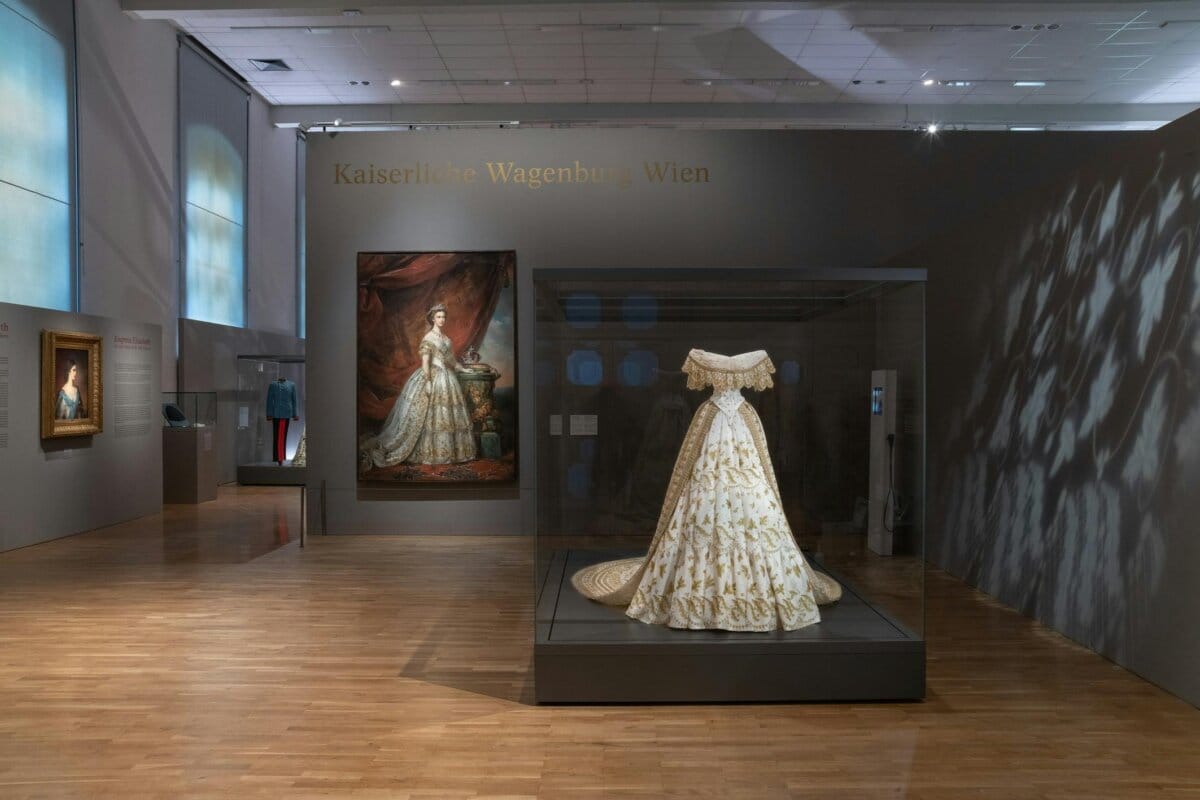
The museum’s layout is organized chronologically, starting with Renaissance carriages and progressing to the early motorized vehicles, showcasing the development of transportation technologies and even reflecting the fashions and tastes of the Viennese elite. Of great interest are the imperial sleds, intricately carved and painted, used for winter rides on the snow—a beloved pastime of the Habsburgs.
One section is entirely dedicated to the imperial childhood, featuring small vehicles and carriages used by royal children, including future rulers. These objects demonstrate the attention to detail and luxury in every aspect of noble life, making the museum engaging even for younger visitors.
Thus, the Imperial Carriage Museum in Vienna is not merely a simple exhibition of transportation means; it is a full immersion journey into the history of the Habsburg monarchy, combining luxury, tradition, and power.
Through the visit to the museum, one gains a better understanding of the cultural and social context that made Vienna one of the most important European capitals of its time. Every sled, carriage, or saddle tells a story, reflecting the taste, ideology, and style of an empire that dominated the heart of Europe for centuries. The museum’s rooms allow visitors to connect with the daily and ceremonial life of the court, providing a privileged glimpse into the magnificence of the Habsburgs. It is an adventure that captivates not only due to the beauty of the displayed objects but also because of the evocative atmosphere that transports visitors back in time, amidst sumptuous processions, historic events, and famous figures like Sissi.
Explore Schoenbrunn Zoo: A historic journey through biodiversity in the heart of Vienna
A fascinating city like no other, Vienna is renowned for its elegant refinement. Its history is divided between empire and artistic heritage, concealing countless wonders. The Habsburgs, with their imperial presence, still linger among the streets of the city, surrounded by prestigious palaces, famous museums, and unique cafés. Vienna is ideal for those who adore culture, offering a transition from classical opera to modernism; every corner has its own story to tell. The architectural beauties are certainly no less remarkable: Schönbrunn Palace, the Hofburg Palace, the Sissi Museum, and St. Stephen’s Cathedral. If you are ready to embrace a delicate setting with interesting local culinary flavors and create unforgettable new experiences, then you must visit Vienna immediately! Here are other attractions to see.
Schönbrunn Zoo resembles the opening of a living book of biodiversity, with pages made of tree-lined paths, distant roars, and curious glances observing from every corner. Located within the imperial gardens of Schönbrunn Palace in Vienna, it is not just any zoo but the oldest active zoo in the world. Founded in 1752 by Emperor Franz I, its long history begins with a journey that combines the charm of the empire with modern conservation. Upon entering, one feels as if they have been invited to court, but this time the honored guests are over 700 animal species living in an environment that faithfully recreates their natural habitats.
The Baroque dome of the central pavilion, once reserved for the luncheons of the aristocracy, now overlooks a universe pulsating with life. Every part of the zoo tells a different story: from the African landscape populated by elephants, giraffes, and zebras, to the tropical rainforest where humidity envelops you while observing monkeys, sloths, and exotic insects moving through the lush greenery.

The world of giant pandas is absolutely not to be missed. This zoo is one of the few in Europe to host these animals, which symbolize the vulnerability of nature. Visitors can watch them play or eat with gentle grace, making it one of the most touching moments of the visit. However, the big cats, such as Siberian tigers and snow leopards, are equally fascinating, resting gracefully in spacious areas carefully designed to promote their well-being.
Another striking feature is the aquarium, which features light displays that make visitors feel almost like part of the ocean. Vibrantly colored corals, floating jellyfish, and fish of all shapes and sizes make even adult visitors feel a bit like children again. The zoo also hosts a desert greenhouse, a polar pavilion, and an area entirely dedicated to Arctic wildlife, where penguins are the true stars.
The exhibition of animals is not the real heart of the zoo; it is the tireless work for research and species conservation. The zoo participates in various international programs for the protection of endangered species, with an educational commitment to visitors of all ages. Visiting Schönbrunn Zoo is not just a simple outing but a journey through distant ecosystems, serving as a point of reflection on the bond between humans and nature, all framed by a unique historical context. It is a place where every roar, fluttering of wings, or paw print tells a unique, ancient, and urgent story.
Discover the Gloriette: a neoclassical gem overlooking Vienna’s Imperial splendour
A place of eternal charm, where history and culture come together in perfect harmony. Walking through its pathways feels like diving into an elegant scene, among sumptuous palaces, historic cafés, and squares that narrate years of beauty and art. However, Vienna is primarily the City of Music. From the luxury of the Habsburg court to contemporary music, Austria’s capital has seen the birth and hosted the most famous figures in history, including Mozart, Beethoven, Schubert, Strauss, and Haydn. These musical giants worked in Vienna, leaving an indelible mark that has endured to this day in concert halls, streets, and avenues.
At first glance, it appears almost suspended, a kind of relic set among the clouds: the Gloriette is not just a building but a literal experience. Positioned on a hill that overlooks the entire Schönbrunn Palace park in Vienna, this elegant stone pavilion with columns and arches stands as a hymn to Neoclassical harmony, yet with a profoundly imperial soul.
Its construction dates back to 1775 at the behest of Empress Maria Theresa, so much so that the Gloriette was meant to be the focal point and culminating feature of the Baroque garden. Its significance is much more symbolic, representing the glory of the Habsburg monarchy and the timeless essence of the empire. Its orientation was perfectly studied to capture the morning light and the amber glow of sunset, almost as if it were a link between time and royalty.

Architecturally, the structure is a masterpiece of symmetry and visual lightness. Ten enormous central arches are flanked by side wings, along with Doric columns supporting a flat roof, all crowned by an imperial eagle and stone military trophies. The balance between visual transparency and monumentality creates the optical effect of a weightless, almost floating loggia, sharply contrasting with the solid grandeur of the palace below.
One lesser-known curiosity is that the Gloriette was also used as a summer dining room, a venue for concerts, and later as a military observation point. Today, it hosts a refined café with a panoramic view: enjoying an Apfelstrudel while taking in the magnificent landscape of Vienna, Schönbrunn Palace represents not just a pause but also a sort of historical connection. The interior is equally deserving of attention, featuring enormous, bright windows, polished marbles, and elegant decorations that preserve the aristocratic aura of the past.
The true magic is captured when ascending to an upper terrace. Here, the view unfolds like a theater curtain: below are the geometric gardens, joyful fountains, the imperial yellow palace, and further away, the city with its characteristic roofs and bell towers. On clear days, one can even glimpse the hills of the Wienerwald in the distance, the most thrilling viewpoint in Vienna.
The Gloriette is a place where time seems to stand still, an observation point removed from everyday reality. It is not merely a monument but a declaration of infinite beauty, meant to be contemplated and to inspire contemplation in precious silence. Schönbrunn is the imperial heart of Vienna, while the Gloriette is its soul, gazing toward the horizon.
Explore the enchanting Schoenbrunn Gardens: A symphony of art, nature and baroque elegance in Vienna
A fascinating city like no other, Vienna is renowned for its elegant refinement. Its history is divided between empire and artistic heritage, concealing countless wonders. The Habsburgs, with their imperial presence, still linger among the streets of the city, surrounded by prestigious palaces, famous museums, and unique cafés. Vienna is ideal for those who adore culture, offering a transition from classical opera to modernism, with every corner having its own story to tell. The architectural beauties are certainly no less remarkable: Schönbrunn Palace, the Hofburg Palace, the Sissi Museum, and St. Stephen’s Cathedral. If you are ready to embrace a delicate setting with interesting local culinary flavors and create unforgettable new experiences, then you must visit Vienna immediately!
At the gates of Vienna lie the Schönbrunn Gardens, an integral part of the magnificent imperial complex of Schönbrunn Palace, the summer residence of the Habsburgs. Designed in Baroque style in the seventeenth century, the gardens are a perfect example of landscape elegance, representing one of the most visited parks in Europe. Every corner is crafted to enchant and surprise, intertwining art, nature, and symmetry. The Great Parterre is the heart of the gardens; it is a vast flat space framed by geometric flowerbeds, statues evoking mythology, and pathways leading towards the central axis that directs you to the Gloriette, a majestic structure situated on a hill. From this panoramic viewpoint, one can enjoy an unparalleled view of the entire complex and the city of Vienna. The Gloriette was built in 1775 and now houses a refined café, perfect for a break while enjoying a splendid panorama.
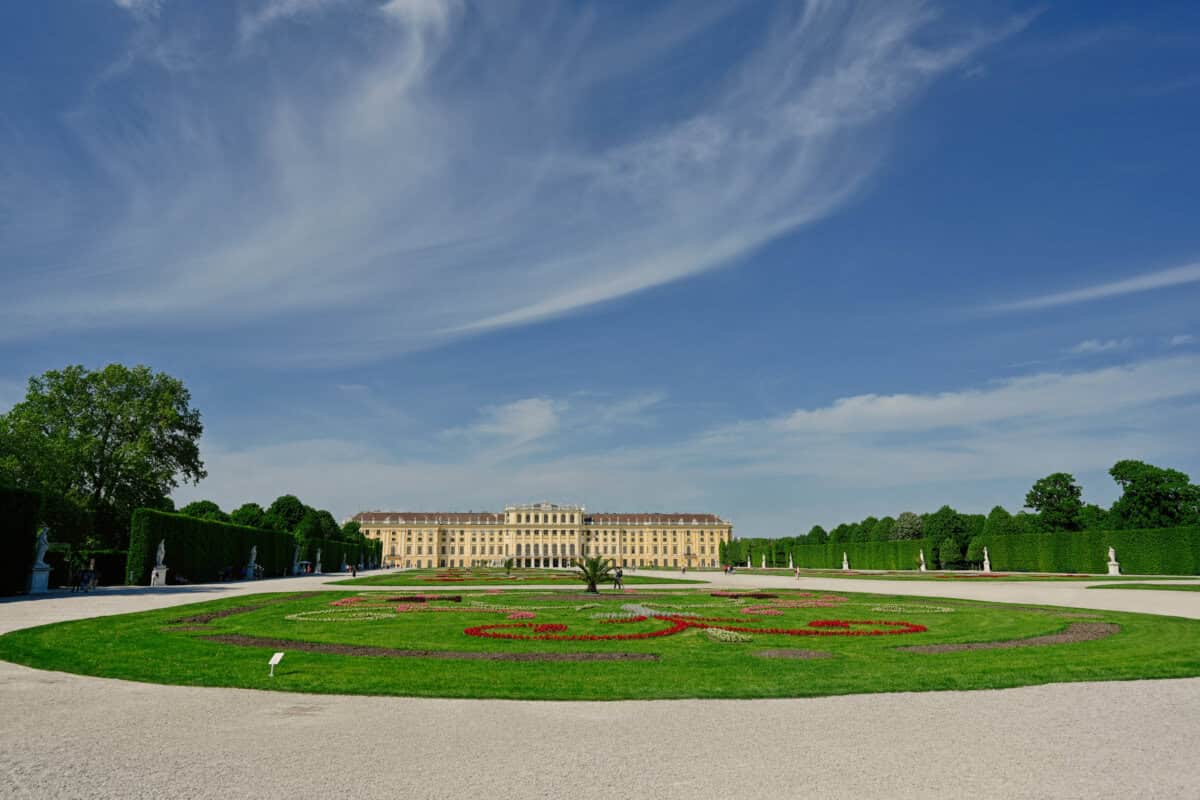
A short distance from the parterre is the Maze, one of the most beloved attractions for both adults and children. The maze has been completely restored and offers a fun pathway among tall hedges and interactive games, ideal for those who want to immerse themselves in a more playful adventure within the formal rigor of the Baroque garden.
Another must-see stop is the Neptune Fountain, a spectacular sculptural composition that completes the perspective of the Great Parterre. Dominating it is the sea god guiding his chariot through the waves; thus, the fountain is a masterpiece of Baroque theatricality and an important photo opportunity for visitors.
The Schönbrunn Gardens possess numerous hidden spaces, such as the Orangerie Garden, where exotic plants were once cultivated and which now hosts musical events and exhibitions. For those who love rare plants, the Prince’s Garden is worth a visit; it is ornamental, enclosed by a fence, with flowerbeds arranged with great aesthetic care and precision.
Also noteworthy is the unique attraction of the Palm House, a gigantic 19th-century iron and glass greenhouse that houses hundreds of botanical species from around the world. Adjacent to it is the Desert House, dedicated to desert flora, which is much more adaptable and less conspicuous, yet still fascinating.
To complete the visit, one must absolutely explore the quieter and more hidden paths, where nature takes over, offering rare peaceful corners away from the crowd. Thus, the Schönbrunn Gardens are not just a place to admire but a true adventure through lines of time, immersed in the beauty and culture of the landscape.
 EN
 DE
 ES
 FR
 IT
 PT
 PL